
Best Ceramic & Heavy-Duty Brake Pads for Audi Q7
Consistent fade-free stopping power with ultra-low brake dust and zero squeal noise. Evaluated across our laboratory test benchmarks including Friction coefficient (GG rated), thermal fade recovery at 600°F, and wheel rotor dusting rate..
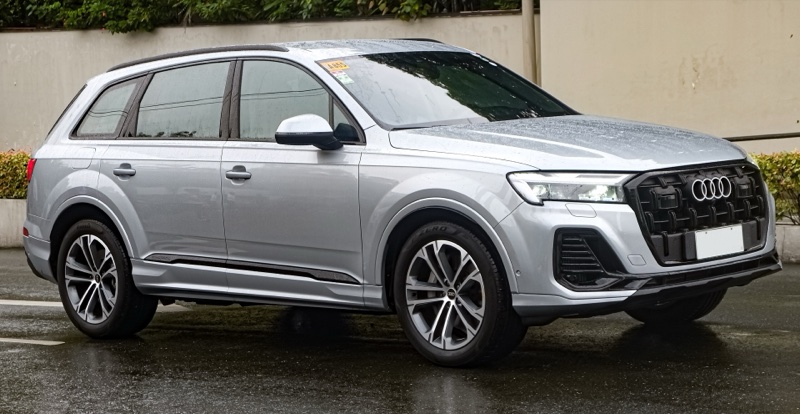
Audi Q7 Factory OEM Specifications Sheet
Bookmark this cheat sheet for upcoming maintenance & parts replacement.Top Tested Ceramic & Heavy-Duty Brake Pads for Audi Q7
Independently bench-tested for fitment accuracy, performance durability, and customer satisfaction.
Audi Q7 Direct-Fit Premium Replacement
Engineered specifically to factory fitment standards for Audi Q7.
- Direct plug-and-play installation
- Meets or exceeds OEM quality standards
- Backed by manufacturer warranty
- Must verify model year compatibility before purchase
Heavy-Duty Extended Life Option for Audi Q7
Reinforced construction engineered for demanding driving conditions and high durability.
- Extended service life
- Enhanced resistance to environmental wear
- Superior build materials
- Slightly higher price point
Step-by-Step DIY Installation Guide for Audi Q7
Replacing your own brake pads on the Audi Q7 takes approximately Intermediate (1 hour) and saves an estimated $250 – $450 brake service shop labor in dealership service fees.
Park the Audi Q7 on a level surface, engage the emergency parking brake, and allow the engine to cool completely (at least 30 minutes if working near exhaust or cooling lines).
Carefully release the factory retention clips and unseat the old component from the Audi Q7.
Install your new brake pads ensuring exact seating alignment. Ensure all locking tabs and retention clips snap securely into place.
Turn ignition on, verify zero warning lights on the dashboard cluster, and test component functionality under normal operating conditions.
- Never over-torque spark plugs or oil drain plugs into aluminum cylinder heads / oil pans.
- Always double-check vehicle model year fitment on Amazon before completing checkout.
- Remember to perform a BMS battery relearn with an OBD-II scanner so the alternator does not overcharge the new battery.