
P0139 on Hyundai: Symptoms, Causes & Fix
Official technical diagnostic wire for fault code P0139 specifically affecting Hyundai vehicles (Elantra, Sonata, Tucson, Santa Fe, Palisade).
Select Your Hyundai Model for P0139:
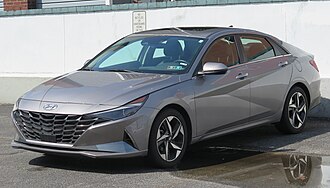
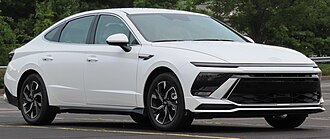




1. Common Symptoms on Hyundai Vehicles
When Hyundai Engine Control Modules (ECM) trigger fault code P0139, drivers typically report:
2. Root Causes on Hyundai Engines
Historical diagnostic claims across Hyundai engines point to the following failure distribution:
3. Step-by-Step Fix Protocol for Hyundai
Use scanner graphing mode. Perform rapid deceleration fuel cutoff. Sensor should drop quickly to 0.1V. If response lags by several seconds, sensor is worn. on Hyundai engines.
Install new OEM downstream oxygen sensor to restore fast switching response. on Hyundai engines.
Clear DTCs and drive at 55 mph for 10 miles to set readiness monitors. on Hyundai engines.
Equipment for Diagnosing Hyundai (P0139)
Hyundai OEM Replacement Sensor
Direct-fit replacement assembly engineered to OEM tolerances for Hyundai.
AstroAI Auto-Ranging Digital Multimeter
Essential for testing 0.1V–5.0V sensor reference signals, ground continuity (<0.20Ω), and harness resistance.
BlueDriver Bluetooth Pro OBDII Scan Tool
Reads and clears enhanced codes (ABS, Airbag, Transmission, Engine) & live freeze-frame telemetry on phone.
4. Hyundai P0139 Frequently Asked Questions
What does code P0139 mean on a Hyundai?
On Hyundai vehicles, P0139 indicates that the Engine Control Module (ECM) detected o2 sensor circuit slow response (bank 1 sensor 2). This typically points to Aged and degraded downstream O2 sensor coated in carbon / silicon deposits or Exhaust leak near downstream sensor.
Can I continue driving my Hyundai with code P0139?
Yes. Safe to drive normally, but will fail emissions inspection. Because this code carries a Low severity rating on Hyundai powertrains, we recommend scanning live data values promptly to prevent secondary damage.
How much does it cost to fix code P0139 on a Hyundai?
Estimated DIY parts cost ranges from $100 - $300 (DIY: $35 - $100), while professional shop repairs at an authorized Hyundai dealership or independent specialist typically range from $180 to $380 including diagnostic labor.