
P0316 on Chevrolet Traverse
Factory diagnostic protocol and troubleshooting wire for fault code P0316 specifically for the Chevrolet Traverse (2020–2026, 2.5L Turbo 4-Cyl (328HP) / 3.6L V6 (310HP AWD)).
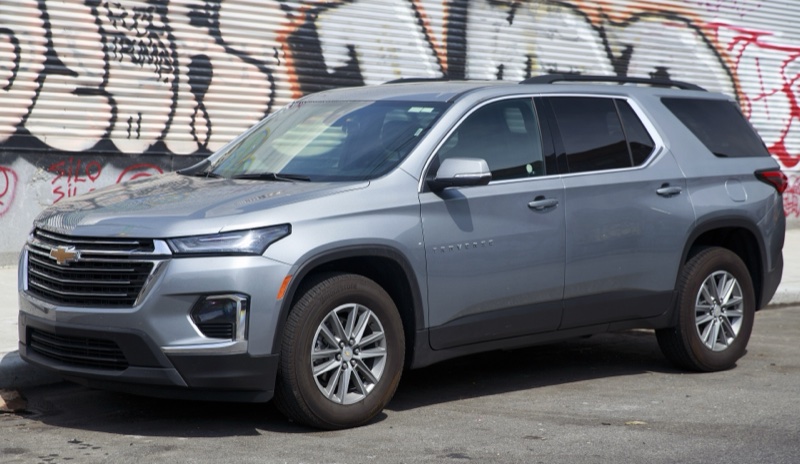
1. Symptoms of P0316 on Chevrolet Traverse
When the Engine Control Module (ECM/PCM) on your Chevrolet Traverse (2.5L Turbo 4-Cyl (328HP) / 3.6L V6 (310HP AWD)) logs fault code P0316, drivers commonly observe:
2. Most Likely Causes on Chevrolet Traverse
Historical warranty claims and technical repair bulletins for Chevrolet Traverse point to the following failure distribution:
3. Step-by-Step DIY Repair Guide for Chevrolet Traverse
Check if P0316 is accompanied by a specific cylinder code (like P0303) to isolate which cylinder is misfiring on startup. on the Chevrolet Traverse equipped with 2.5L Turbo 4-Cyl (328HP) / 3.6L V6 (310HP AWD).
Pressurize cold cooling system to 15 PSI. Use a borescope camera through spark plug hole to check for coolant pool on piston top. on the Chevrolet Traverse equipped with 2.5L Turbo 4-Cyl (328HP) / 3.6L V6 (310HP AWD).
Remove spark plugs. Check for white coolant crust, fuel fouling, or cracked ceramic insulators. on the Chevrolet Traverse equipped with 2.5L Turbo 4-Cyl (328HP) / 3.6L V6 (310HP AWD).
On direct-injection engines, perform walnut shell blasting or chemical intake valve cleaning to remove cold carbon buildup. on the Chevrolet Traverse equipped with 2.5L Turbo 4-Cyl (328HP) / 3.6L V6 (310HP AWD).
Clear DTCs and allow vehicle to sit overnight to confirm morning start is clean. on the Chevrolet Traverse equipped with 2.5L Turbo 4-Cyl (328HP) / 3.6L V6 (310HP AWD).
Equipment for Diagnosing Chevrolet Traverse (P0316)
Chevrolet Traverse OEM Replacement Sensor
Direct-fit replacement assembly engineered to OEM tolerances for Chevrolet Traverse.
AstroAI Auto-Ranging Digital Multimeter
Essential for testing 0.1V–5.0V sensor reference signals, ground continuity (<0.20Ω), and harness resistance.
BlueDriver Bluetooth Pro OBDII Scan Tool
Reads and clears enhanced codes (ABS, Airbag, Transmission, Engine) & live freeze-frame telemetry on phone.
Other Common Fault Codes on Chevrolet Traverse
Frequently diagnosed powertrain, emissions, and sensor trouble codes logged on the Chevrolet Traverse:
4. Chevrolet Traverse P0316 FAQs
What causes code P0316 to trigger on a Chevrolet Traverse?
On the Chevrolet Traverse (2.5L Turbo 4-Cyl (328HP) / 3.6L V6 (310HP AWD)), P0316 is most frequently caused by Coolant leaking into cylinder overnight from failing head gasket or intake manifold or Leaking fuel injector dripping fuel into cylinder while parked.
Where is the OBD-II port located on my Chevrolet Traverse?
On the Chevrolet Traverse, the 16-pin DLC diagnostic connector is located Driver lower kick panel to the right of brake pedal. Plug in any standard OBD-II scanner with the ignition in the ON position to read freeze-frame parameters.
Can I safely drive my Chevrolet Traverse with code P0316?
Caution. Engine misfires heavily for the first 30–60 seconds after starting, then smooths out. Given that P0316 carries a High severity rating, we advise avoiding heavy towing or aggressive throttle inputs until sensor readings are verified.